


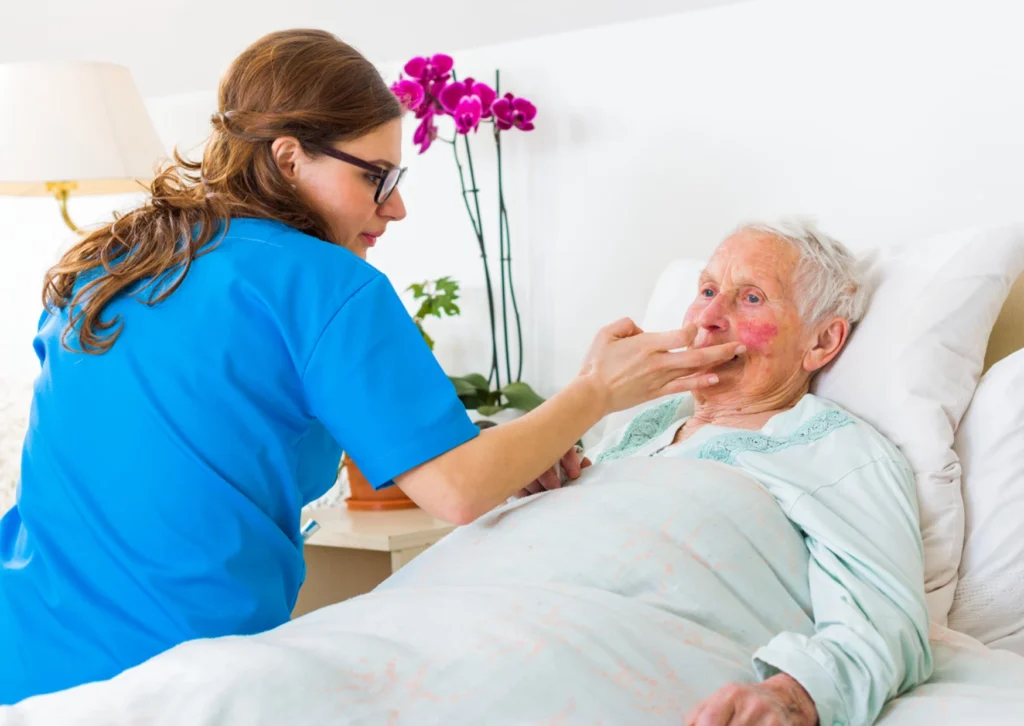
Being told your parent or relative is ready to leave hospital is good news, but it can come quickly. Knowing what should happen first helps you ask the right questions and get them home safely.
This is a plain summary of NHS guidance for England. It is not medical advice. Each hospital has its own discharge policy, and you can ask the ward manager for a copy.
What should happen before they leave
Planning should start early in the hospital stay, not on the last day. Staff should talk with the patient, and with family or carers if the patient agrees, about:
when they are likely to be ready to leave
whether they will go home or somewhere else, such as a community hospital or care home. Most people go home
transport and other arrangements
any care and support they will need afterwards.
If they will need care after leaving, they should get a written care plan. It should say what support they will get, who provides it, how often, who to contact if something goes wrong, and any charges.
Free tool
Hospital Discharge Checklist
Our free checklist covers the questions to ask the ward, the medicines and equipment to check, and what to have ready at home. Take it with you on the day.

What to do, step by step
1. Ask early. Ask the nurse in charge when discharge is expected and who is planning it. Tell them you want to be involved.
2. Say what home is really like. Stairs, who else lives there, and how much help family can honestly give. The assessment depends on it.
3. Ask about care after hospital. If they will need help, ask whether they will get free short-term care to recover, and ask for the care plan in writing.
4. Check medicines and equipment. They usually get 7 days of medicine. Make sure someone has explained each one, and how to use any equipment.
5. Speak up if it does not feel safe. If you are unhappy with the discharge date or plan, tell the ward staff before they leave.

What to prepare for the day
Before they leave the ward, check you have:
The discharge letter for the GP, or confirmation it has been sent.
Their medicines, with a list of what to take and when.
A copy of the care plan, if there is one.
Any follow-up appointment, and a number to call with questions.
Transport home and their house keys.
Food, drink and heating ready at home, and someone to stay or visit regularly.
Care after they leave
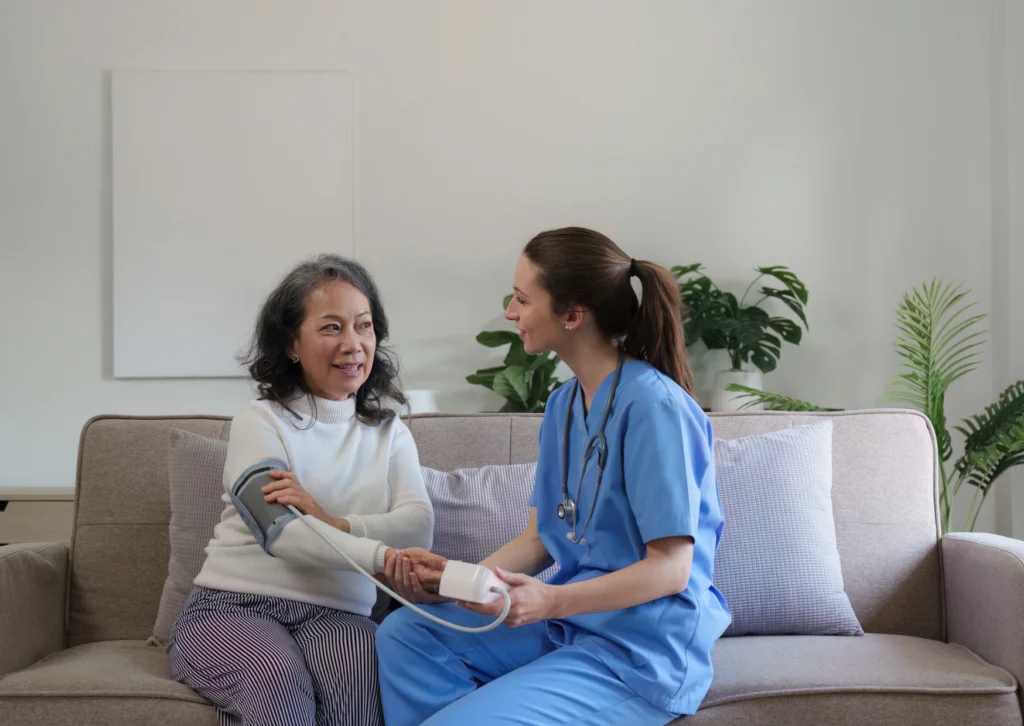
Free short-term care. Some people are offered care to help them recover, called intermediate care or reablement. It is free for as long as it is needed, usually up to 6 weeks, and most people have it at home.
Longer-term care. If they still need help after that, the council can carry out a care needs assessment, and a means test decides who pays.
Complex health needs. If their needs are mainly health needs, they may qualify for NHS continuing healthcare, which the NHS pays for.
If you are unhappy with the discharge
Speak to the staff who arranged it first. If that does not settle it, contact the hospital's Patient Advice and Liaison Service (PALS), which gives free, confidential help. You can also make a formal complaint through the NHS complaints process.
Key contacts
Who
What they help with
How to reach them
Ward manager or nurse in charge
The discharge date, the plan, medicines and the hospital's discharge policy
Ask on the ward, or phone the hospital switchboard and ask for the ward
Adult social services at the local council
Longer-term care, and a review if care at home is not working
GP surgery
Repeat prescriptions and health worries once home. Allow 2 working days for prescriptions
Their usual surgery. For urgent help when the surgery is closed, call 111. In an emergency call 999
Age UK Advice Line
Free advice for older people and families on leaving hospital
0800 678 1602
Every day, 8am to 7pm
Official sources
NHS: being discharged from hospital.
NHS: planning to leave hospital.
Last reviewed: November 2026. This follows national NHS guidance for England. Each hospital and council arranges discharge and aftercare in its own way.
If your relative needs care at home after hospital, a nurse can talk it through with you, often before discharge. Call 020 3355 3607 or arrange a free consultation. Our free Hospital Passport is also useful for any future hospital stay.